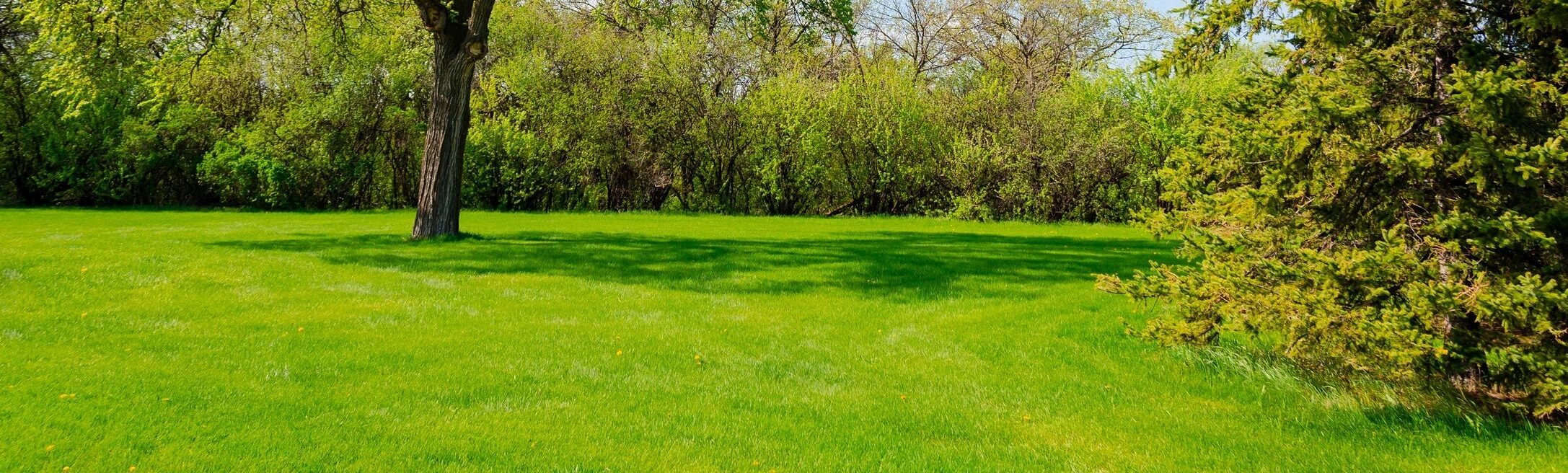
Summer in Iowa brings long, sunny days and temperatures that often make us thankful we live in a day and age with air conditioning. Unfortunately, our full experience of summer in the heart of Iowa means that we have some challenges to face when it comes to keeping our lawns looking great and, more importantly, healthy. We have a good amount of cool-season grass in the Des Moines area that is not quite built for intense summer heat, but with the proper attention to detail and care, you can maintain a lush green lawn throughout the entire summer season.
Mow High and Mow Smart
It might seem like all you need to do is grab your mower out of the shed, fill it up with gasoline or pop in a battery, and you are good to go, but it is not that simple. During the summer months especially, it is important to adjust your mowing practices.
- Raise the mower blade. In the summer months, you should be keeping your grass between 3 and 3.5 inches long. Taller grass provides shade to the soil and helps keep the root zone cooler, maintaining a greener, healthier grass.
- Follow the one-third rule. It is important to make sure that you are not removing more than ⅓ of the grass length at a time. If your grass has gotten a little out of hand due to being away on vacation, resist the urge to take 6 inches of growth down to 3 inches in one go. Mow it down to 4 inches and then a few days later, mow it down to 3 or 3.5 inches. We know it can be tedious, but this method ensures that you will keep your grass healthy and strong.
- Mow when it is cooler. If you aim to mow in the early morning or late evening, you will reduce stress on your grass
Water Deeply and Infrequently
It is important to water your lawn if the skies above are not doing it for you, but there is such a thing as overwatering.
- Water early in the morning. It is vital to water before the heat of the day for a couple of reasons. One, more water gets absorbed into the soil and root system when it is not 100 degrees outside, and two, it reduces the risk of fungal diseases.
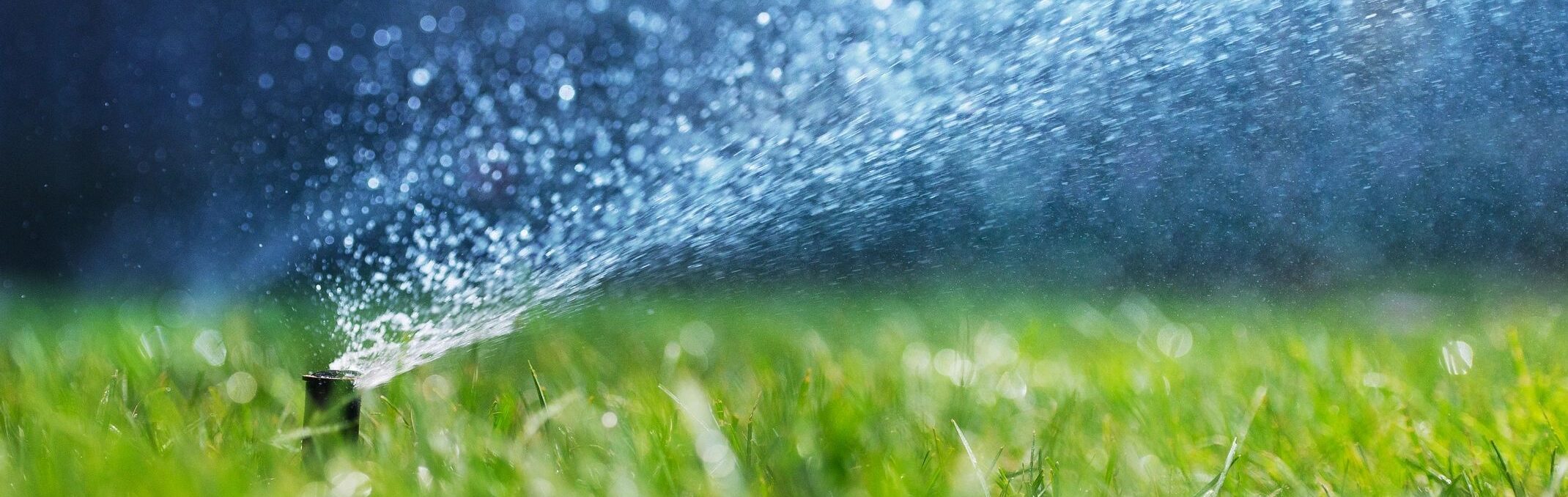
- Deep, infrequent watering. Aim to apply about 1 to 1.5 inches of water per week in either a single session or divided into two sessions. This encourages deep root growth and enhances drought resistance. It also simulates rain, which does not often come daily in Iowa.
- Do not water in the evening. Watering in the evening doesn’t give the excess the chance to evaporate which can actually increase the risk of disease in your grass.
Fertilize Wisely
Fertilizing in the summer often requires a different blend than the spring and fall because of the heat and risk of drought.
- Try to avoid fertilizing when the temperature rises above 85 degrees, this can actually stress your grass instead of helping it.
- If you are fertilizing yourself, do so in the spring and fall and skip summer altogether because cool-season grasses respond best to fertilizer.
It’s Okay To Let Your Lawn Go Dormant
When we are in a drought, especially when there is a water shortage and we need to refrain from using any unnecessary water, like watering our lawns, it is okay for your grass to go dormant and become brown.
- Brown does not mean dead. When grass goes dormant, it is a survival mechanism. Most lawns can survive in a dormant state in the middle of the summer for 4-6 weeks without rainfall or weekly watering.
- Do not mow brown grass. When your lawn is dormant, it needs to be left alone even if it is too tall for your liking. Leave it alone so you do not damage it and when it returns back to its active and green state, it will look as good as ever.
Monitor For Pests
Summer conditions lead to increased pest activity. The most common threat to lawns in the Des Moines area are white grubs. These pests can damage roots, leading to brown patches. Monitor your lawn and if you start to notice brown patches, give us a call to investigate further.
Need Professional Help?
We have been taking care of lawns in the summertime for 25 years. We would be happy to help you achieve the lawn of your dreams even under the harshest conditions.