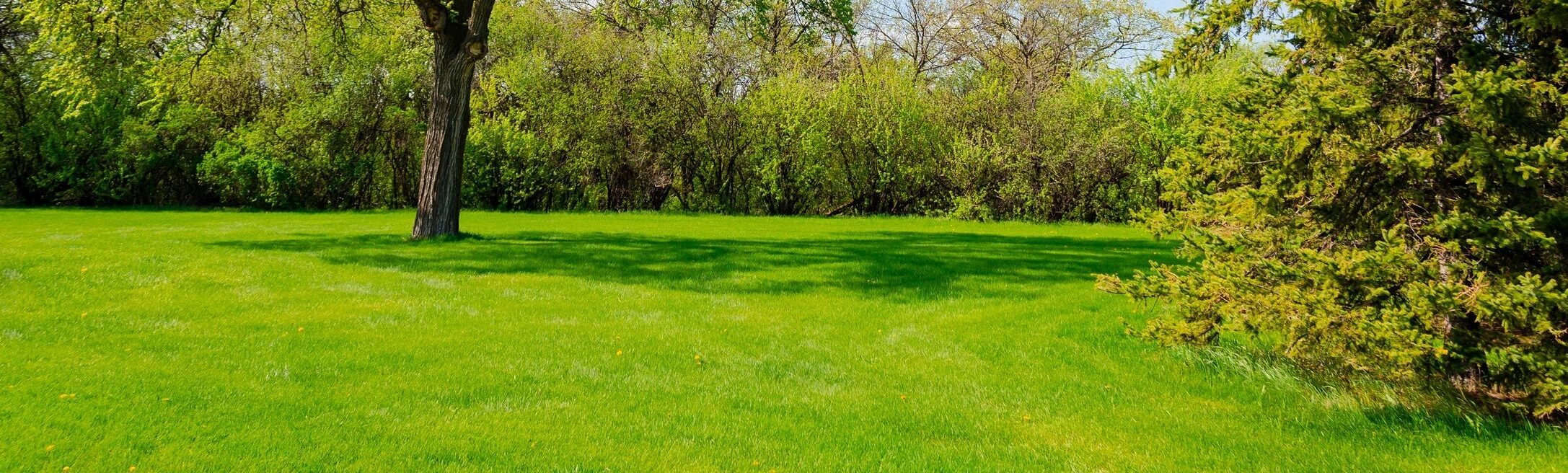
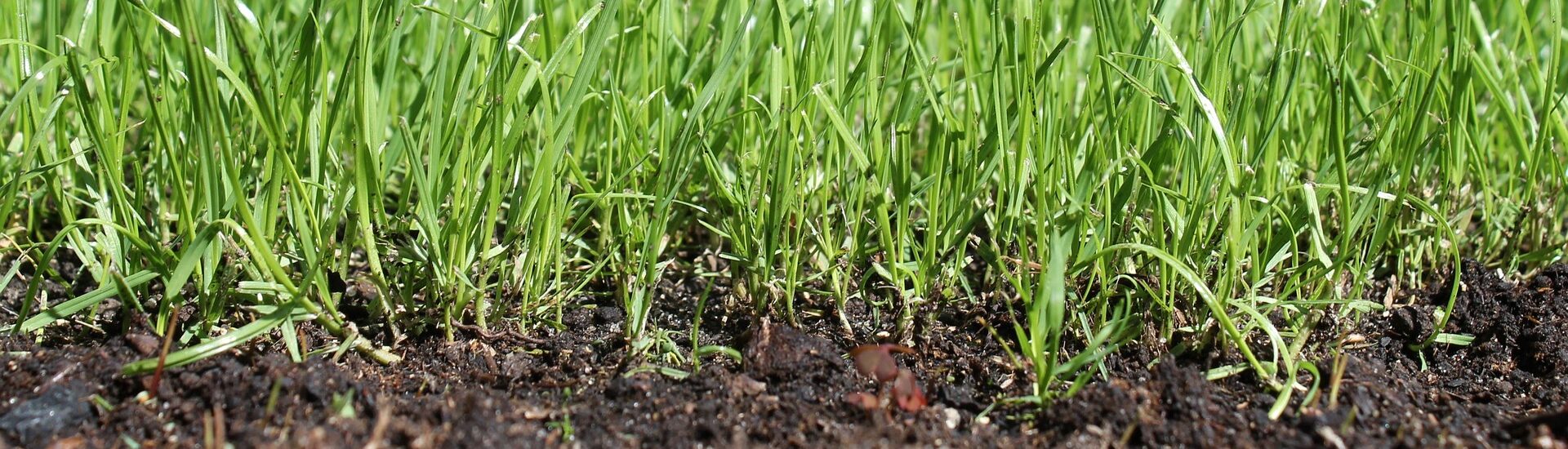
There are several factors that go into a lawn being healthy and it is more than just being green, weed free, and mowed to the proper level.
Is It Green?
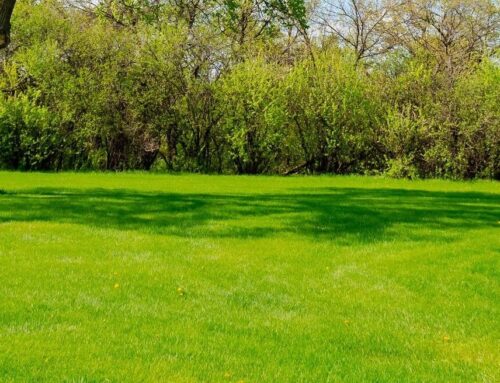
There is more to a healthy lawn than just being green, but it is a start. We are looking for a rich, dark green color that does not have patches of yellow, brown, or pale green. If your lawn is not dark green, fertilizer and water can help. We have fertilizer mixes that are specific to the time of year we are in (Spring, Summer, Fall) and are mixed to help improve the state of your specific lawn.
Does It Have Weeds?
If so, it is not healthy (or at least as healthy as it could be). If you have large areas of weeds, we will determine the types of weeds growing in your yard and treat them with specific herbicides. A lawn without weeds is a healthy one.
Is it Bug Free?
Grubs, sod webworms, billbugs, and army worms, are not only unsightly, they kill your grass. Getting rid of bugs is not as simple as insecticide spray and you are done. It takes evaluation of the kinds of bugs present in your lawn, and the best way to treat the problem with both above and below ground strategies.
Has Fungus Damaged Your Lawn?
Fungus can often appear as deadspots or areas that need more water, but it is a much bigger problem than meets the eye. Fungus spreads throughout your lawn on the blades of your lawnmower. To prevent fungus, invest in a good fertilization plan and keep your mower blades sharp and clean.
Do You Have Moss Camouflaging in Your Grass?
Sometimes it is hard to tell if you have moss growing in your yard because it is green and blends right in with your grass. It is important to remember that moss is helpful in pointing out issues with your lawn, but it does not belong there. Moss often will cover bare spots throughout your lawn and the presence of moss indicates that a bigger problem is at play. Our team can identify the issues and treat them.
Is It Thick and Full?
A thick and full lawn is achieved through aeration and overseeding in the fall or spring. This process allows for your thatch to not become too compacted that the nutrients cannot reach the roots.
Do Not Mow Too Low!
When you cut your grass short, you might be well-intentioned for your time so that you can go longer between mows. Unfortunately, grass that is too short is not allowed to grow to a proper length when too much is cut at once. A good rule of thumb is to never cut more than a third of the grass length off your lawn at once.